Biodiversity Research Center

Fungal ecology,
evolution and
microbial interactions

We study how fungi and yeasts diversify, how their communities vary across environments, and how microbes interact with one another and with their hosts. Combining field sampling, experiments and genomic analyses, we connect variation in genomes with differences in traits, populations and communities.

Our research draws on the biological diversity of Taiwan and extends through collaborations across Asia and beyond.

我們研究真菌與酵母菌如何產生多樣性、其群落如何隨環境而改變,以及微生物彼此之間和與宿主之間的交互作用。我們結合野外採樣、實驗與基因體分析,探討基因體變異與性狀、族群及群落差異之間的關聯。

我們的研究以臺灣的生物多樣性為基礎,並透過合作延伸至亞洲及其他地區。

Microscopy of budding yeast cells
Wild yeast diversity野生酵母菌多樣性
Sundew leaves with red glandular hairs and glistening mucilage
Carnivorous plants and microbial partners食蟲植物與微生物夥伴
A fungal colony growing on a culture plate
Fungi in culture培養中的真菌
Biodiversity Research Center · Academia SinicaTaipei, Taiwan

Questions that guide our work

Our research

Connecting genetic variation, ecological diversity and the interactions between organisms.連結遺傳變異、生態多樣性與生物之間的交互作用。

Illustration of Taiwan from the lab’s wild yeast research

Fungal/Yeast ecology and evolution

Genomes · Populations · Communities基因體・族群・群落

How do genetic variation and ecological conditions shape fungal diversity?

We investigate the diversity, population structure and ecological differentiation of wild yeasts. By combining population genomics with experimental genetics, we examine how genome variation relates to traits and reproductive isolation.

At the community level, we study how forest fungal assemblages differ among habitats and change through time. Our work also examines the distribution of yeasts across microbiomes and how sampling and analytical methods influence the diversity we detect.

遺傳變異與生態條件如何形塑真菌多樣性?

我們研究野生酵母菌的多樣性、族群結構與生態分化。透過結合族群基因體學與實驗遺傳學,我們探討基因體變異與性狀及生殖隔離之間的關聯。

在群落層次,我們研究森林真菌群落在不同棲地之間的差異及其隨時間的變化。我們也探討酵母菌在不同微生物群中的分布,以及採樣與分析方法如何影響所偵測到的多樣性。

Electron micrograph showing fungal growth associated with a sundew gland

Microbial interactions

Plants · Microbes · Function植物・微生物・功能

How do interactions among microbes and their hosts influence biological function?

Carnivorous plants provide an experimental system for studying interactions among plants, microbes and insect prey. We combine microbial isolation, experiments and genomic analyses to investigate how microbial partners contribute to prey digestion and nutrient acquisition.

We also investigate how interactions among microbial community members affect these processes, distinguishing their occurrence alongside a host from their functional contributions.

微生物彼此之間及其與宿主的交互作用,如何影響生物功能?

食蟲植物提供了研究植物、微生物與昆蟲獵物之間交互作用的實驗系統。我們結合微生物分離、實驗與基因體分析,探討微生物夥伴在獵物消化及養分獲取中的功能。

我們也研究微生物群落成員之間的交互作用如何影響這些過程,並區分微生物與宿主共同出現的現象及其實際功能。

Previous research topic

Our earlier work includes nematode genomics, sea turtle egg fusariosis and fungal bioluminescence.

Explore these projects on the current lab website.

我們過去的研究包括線蟲基因體學、海龜卵鐮孢菌病與真菌生物發光。

詳見各研究主題的原始頁面。

View previous research topics瀏覽過去的研究主題

From our research

Selected findings

View all publications瀏覽所有研究發表

iScience · 2026

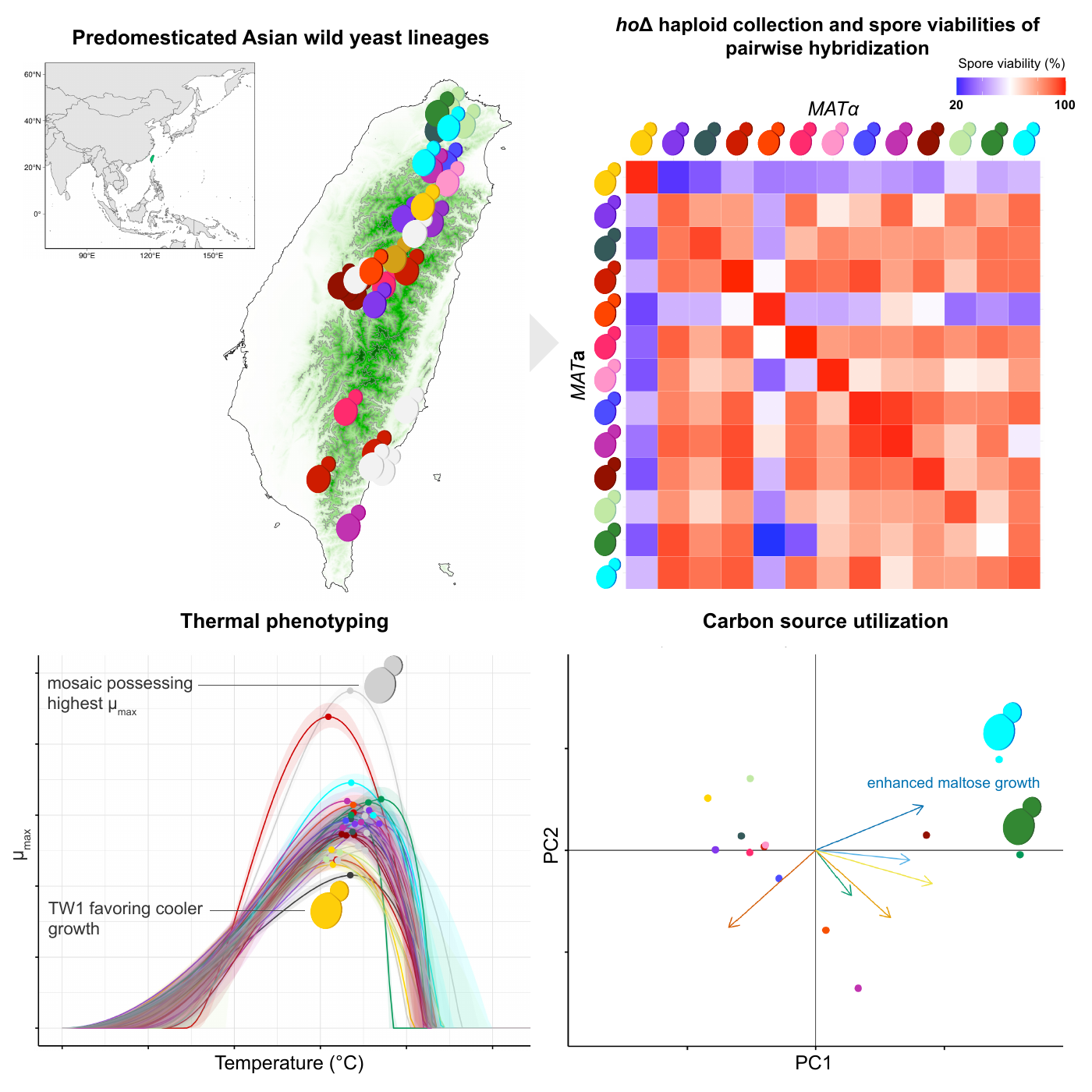
Bringing wild yeast diversity into experimental genetics

Wild yeast sampling, haploid crosses, thermal growth and carbon source utilisation
Yang et al. (2026) · Graphical abstractSelect figure to enlarge · 點選圖片放大

We established a haploid collection from 32 Taiwanese Saccharomyces cerevisiae isolates. This resource enables experiments on reproductive isolation and ecological trait variation across genetically diverse wild lineages.我們以 32 株臺灣釀酒酵母菌(Saccharomyces cerevisiae)分離株建立單倍體菌株資源,讓研究者得以在遺傳背景多樣的野生譜系中,進行生殖隔離與生態性狀變異的實驗。

Read the study閱讀論文

Environmental Microbiome · 2025

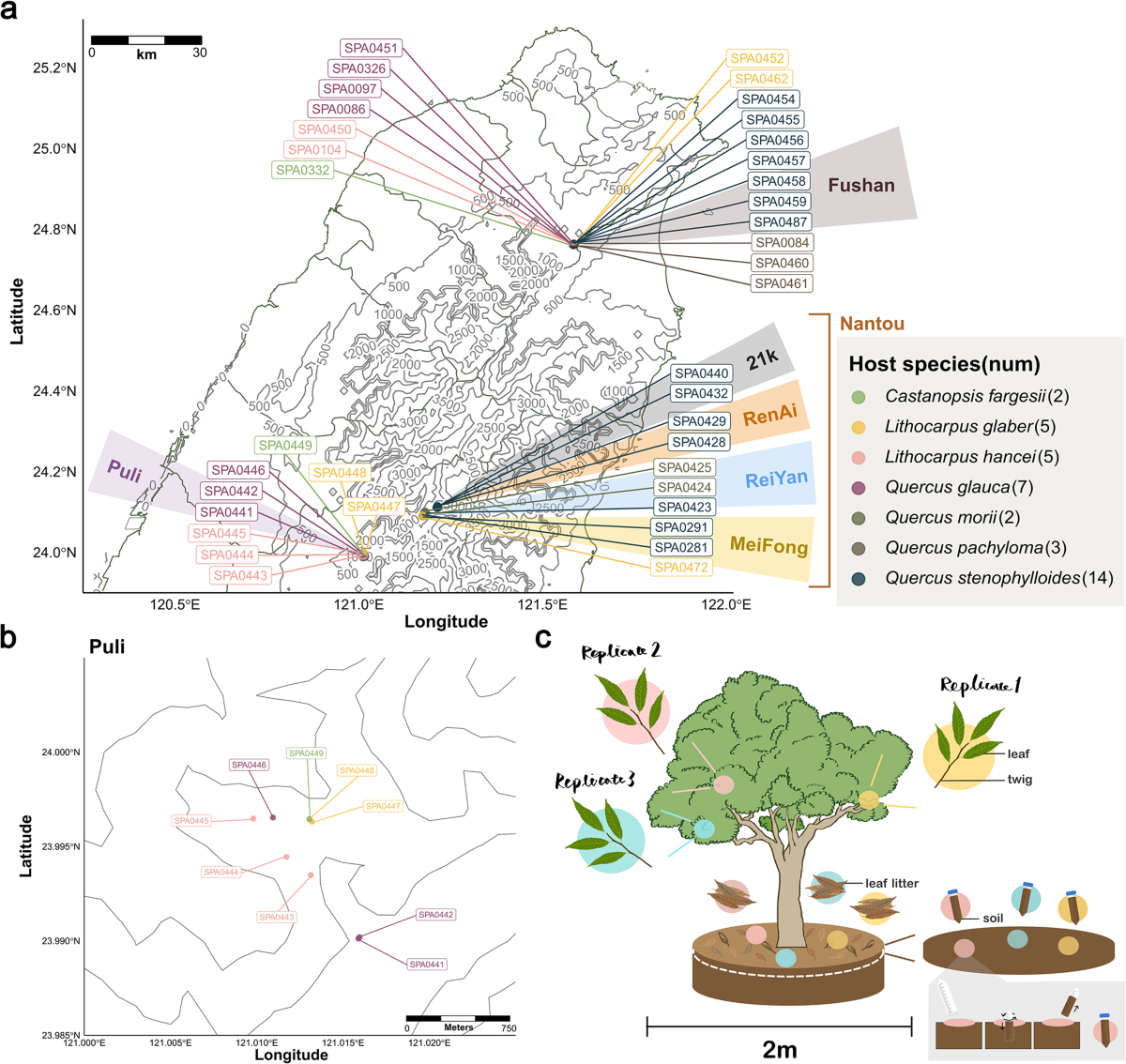
Fungal communities change across forest habitats and through time

Sampling sites in Taiwan and sampling of leaves, twigs, litter and soil around individual trees
Lin et al. (2025) · Fig. 1 · CC BY 4.0Select figure to enlarge · 點選圖片放大

Our study of tropical forests revealed high fungal community turnover and contrasting assembly processes across neighbouring habitats, linking spatial and temporal patterns to questions about how communities form.我們在熱帶森林的研究發現,真菌群落具有高度更替,相鄰棲地的群落組成過程也有所不同。這些結果將時空變化與群落形成的問題連結起來。

Read the study閱讀論文

Nature Microbiology · 2024

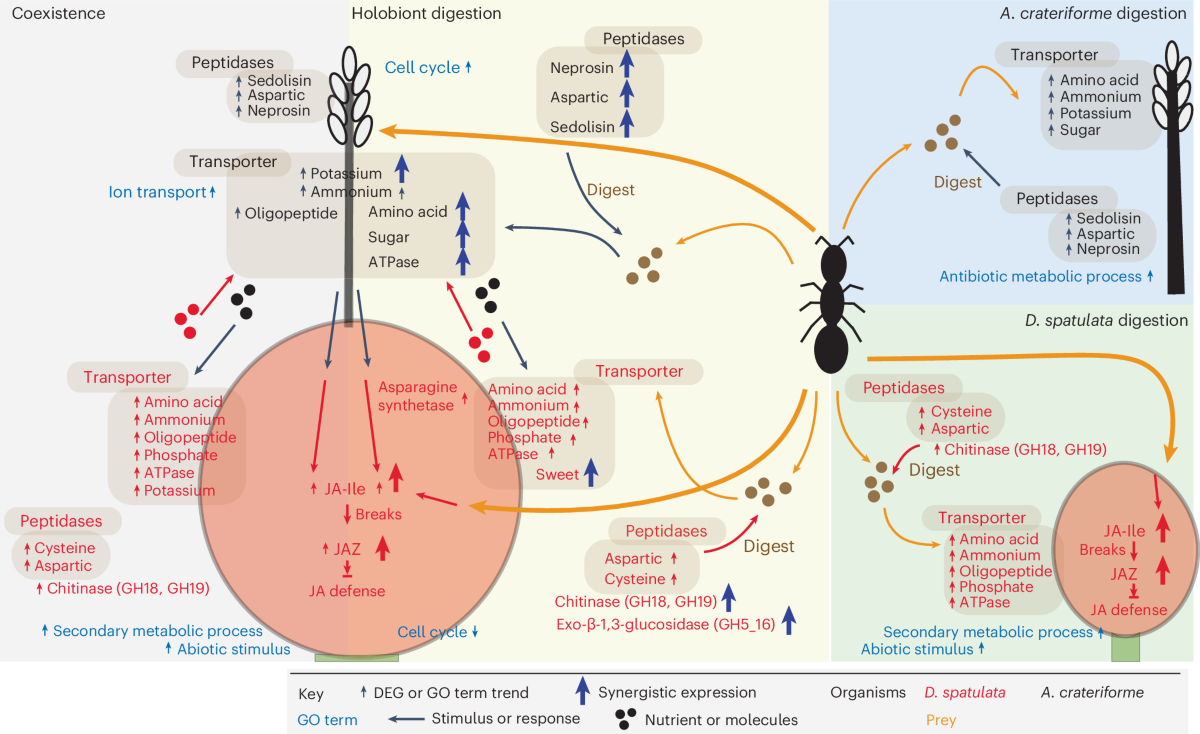
A fungal partner promotes prey digestion in sundews

Summary of fungal and sundew responses during coexistence and prey digestion
Sun et al. (2024) · Fig. 6 · CC BY 4.0Select figure to enlarge · 點選圖片放大

We identified the acidophilic fungus Acrodontium crateriforme as a microbial partner of sundews. Experiments with Drosera spatulata showed that the fungus promotes prey digestion, establishing a tractable system for studying plant–fungus interactions.我們鑑定出嗜酸性真菌 Acrodontium crateriforme 是毛氈苔的微生物夥伴。以 Drosera spatulata 進行的實驗顯示,此真菌能促進獵物消化,建立了可用於研究植物與真菌交互作用的實驗系統。

Read the study閱讀論文

The people behind the research

People and lab life

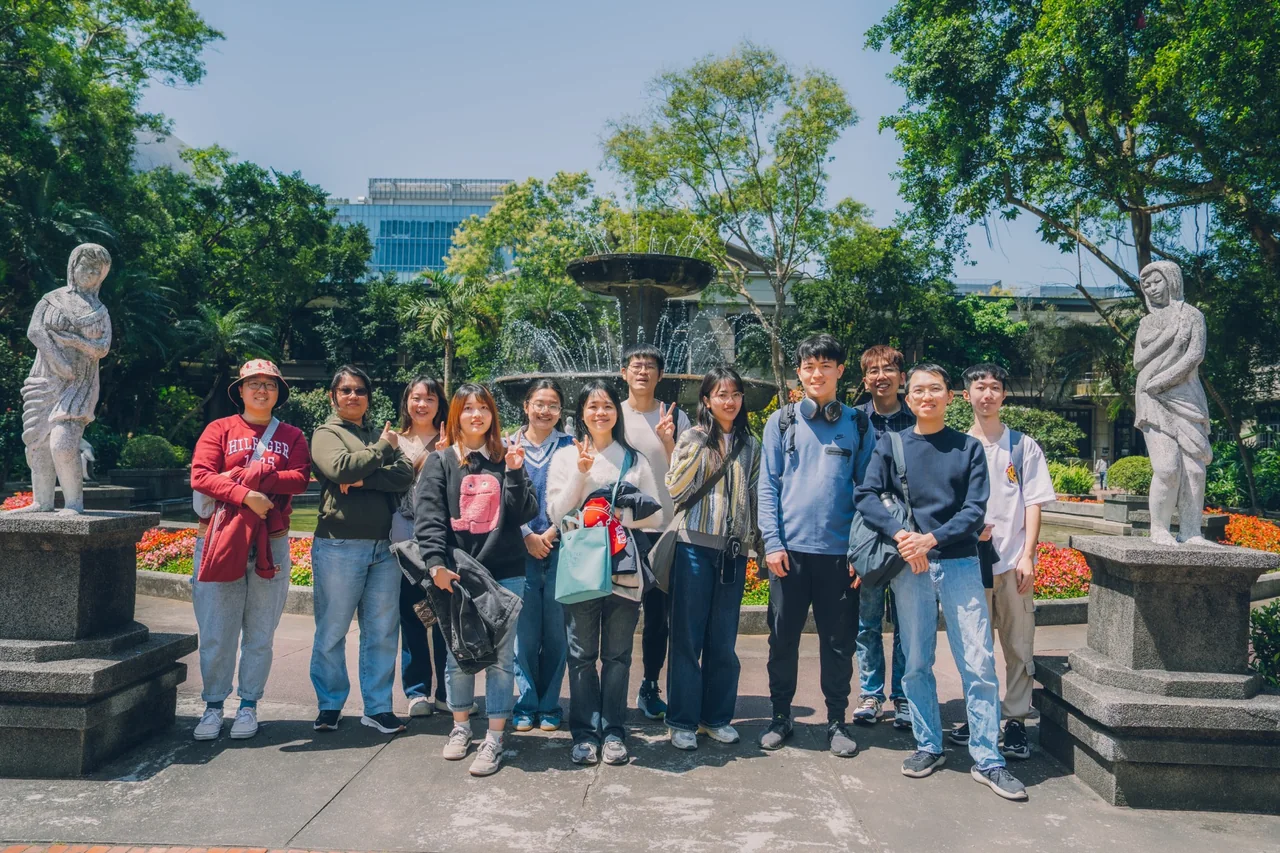
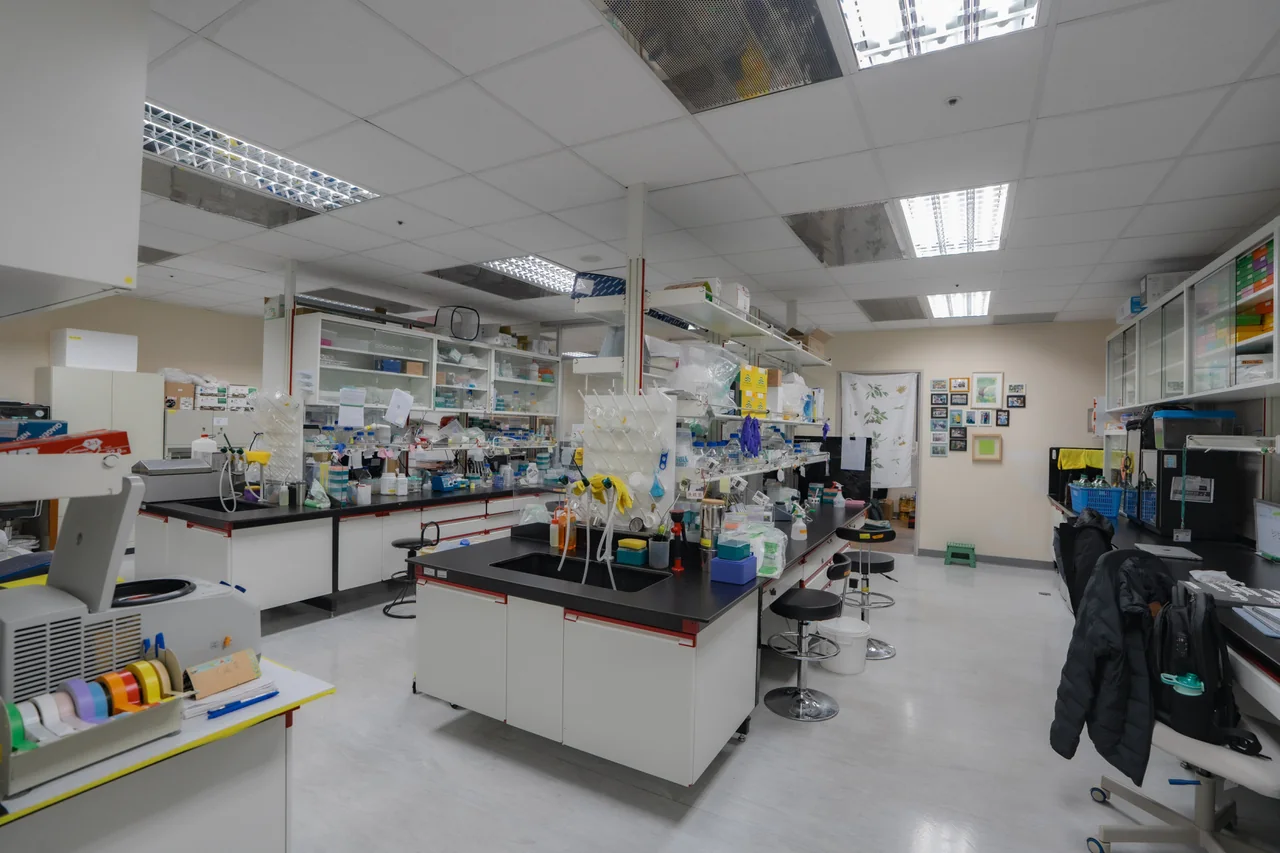
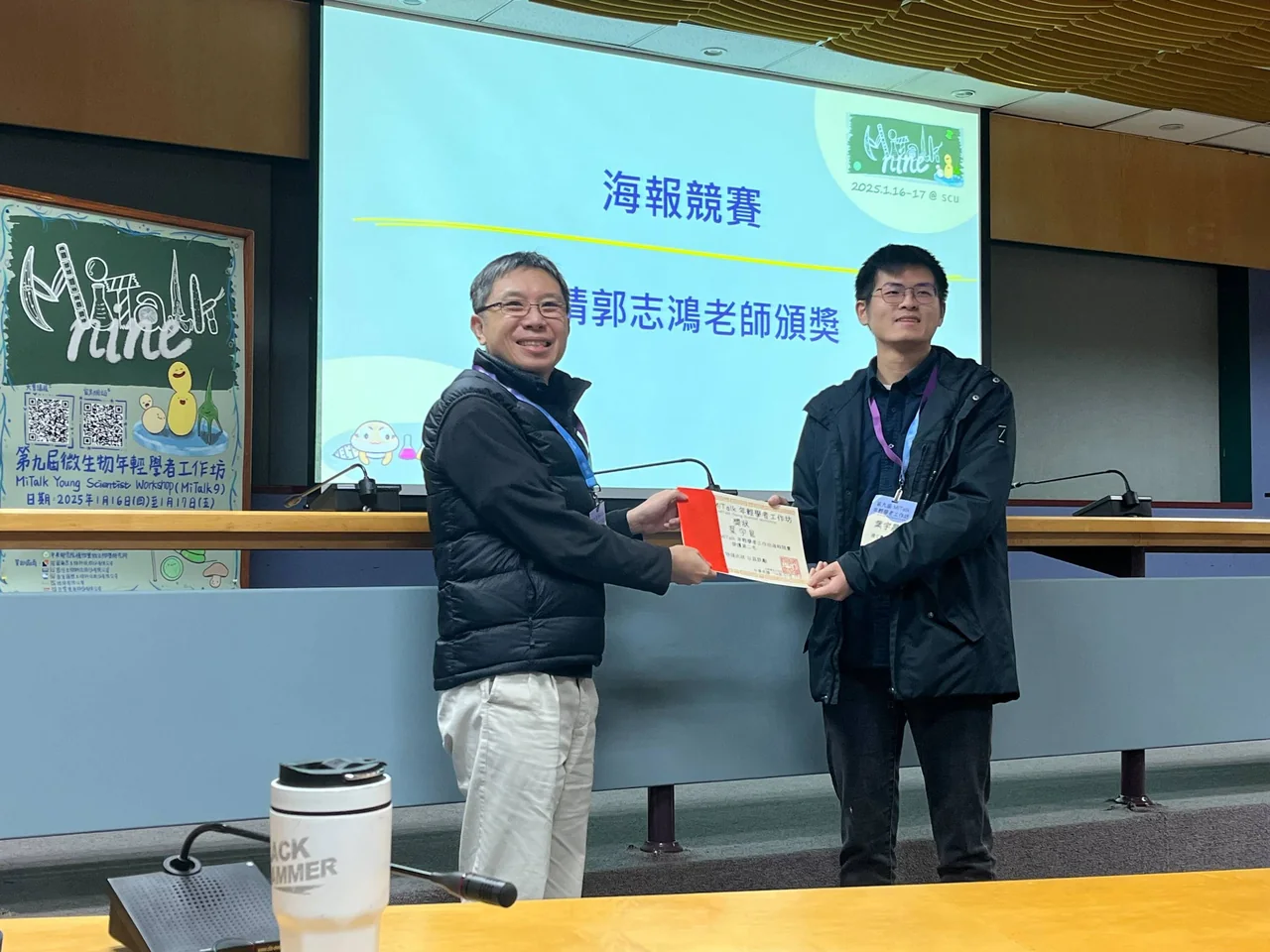
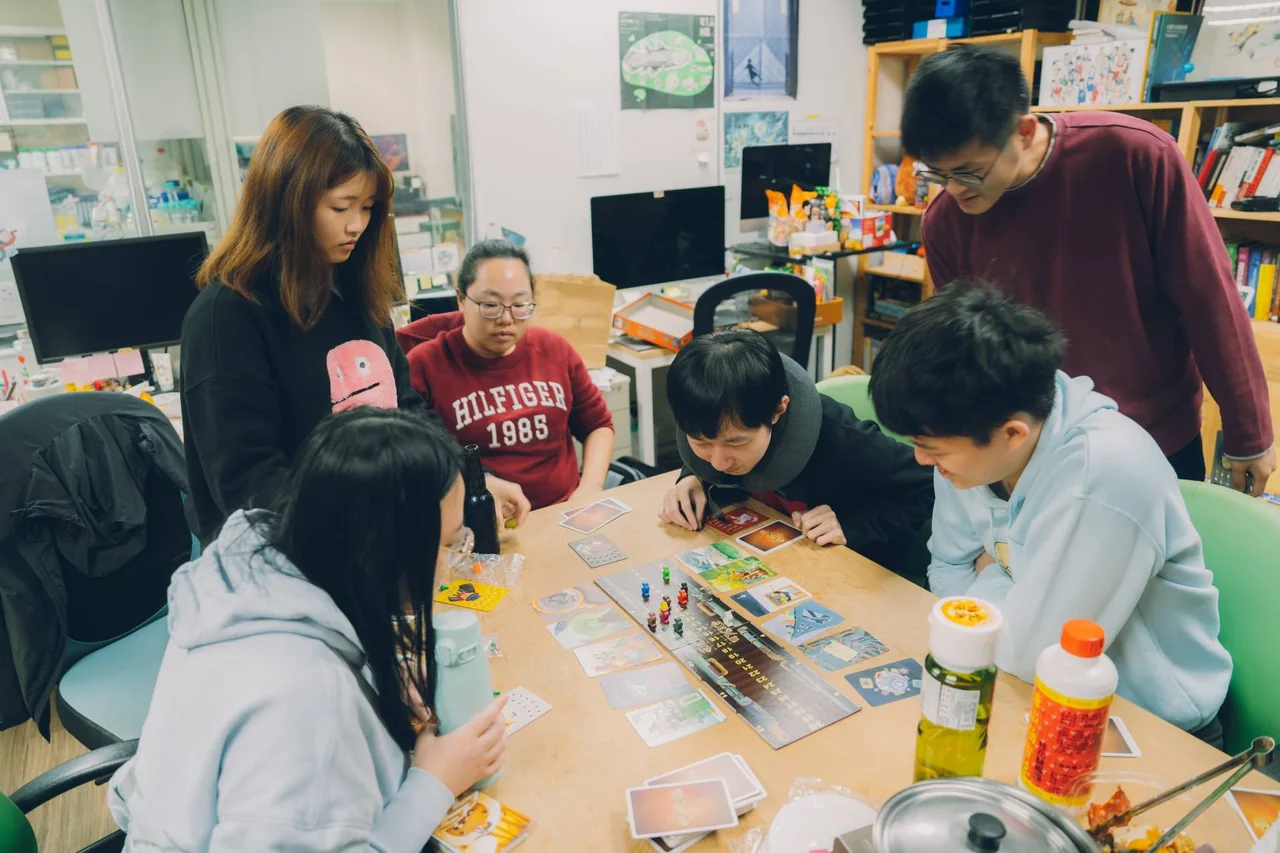
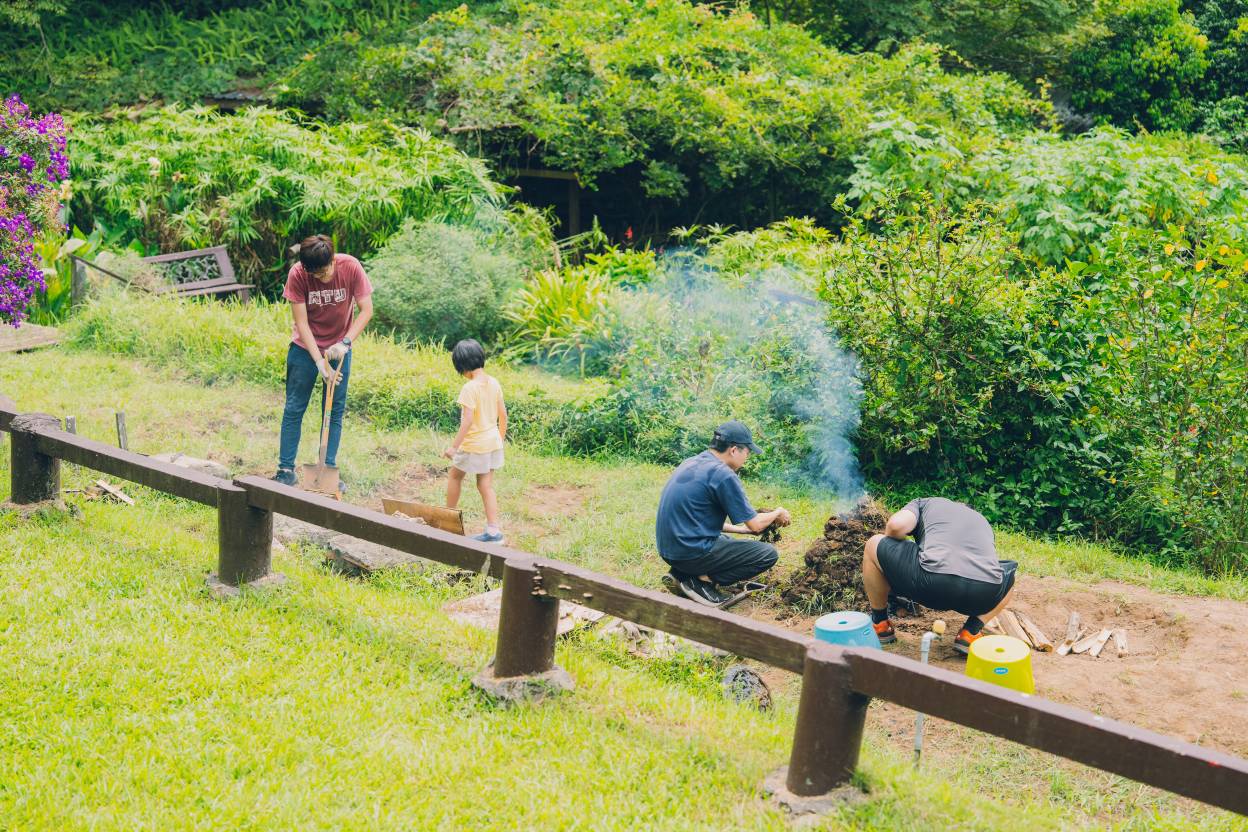
Our work connects field observations with laboratory experiments and computational analyses. Meet the people behind the research and follow our fieldwork, discussions and everyday lab activities.

我們將野外觀察、實驗室實驗與計算分析相結合。在這裡認識參與研究的夥伴,了解我們的野外工作、討論與實驗室日常。

Tools for research and learning

Research resources

Find protocols, teaching materials and links to resources developed through our research.瀏覽實驗流程、教材,以及研究中建立的相關資源。

Get in touch

Contact the lab

Interested in our research, collaboration or opportunities to join the lab? Visit our contact page for details.對我們的研究、合作或加入實驗室有興趣嗎?請參閱聯絡頁面的詳細資訊。

Contact the lab聯絡實驗室
Tsai Lab蔡怡陞實驗室Biodiversity Research Center
Academia Sinica
Taipei, Taiwan
About Isheng Jason Tsai關於蔡怡陞